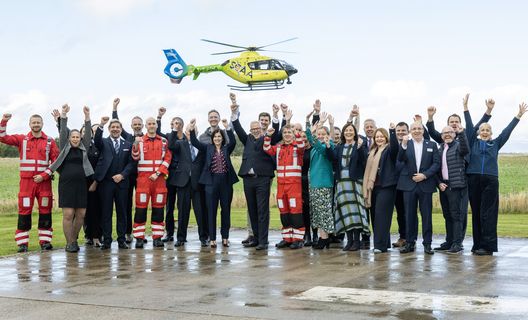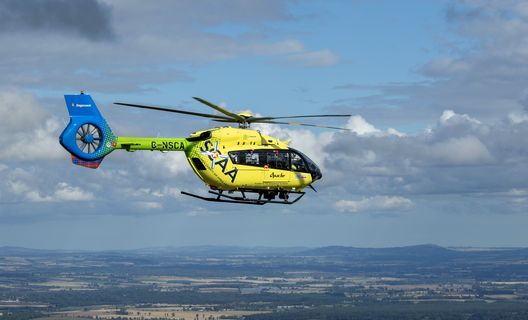
This International Paramedics Day (8 July 2026), we are celebrating the incredible impact SCAA paramedics have on the people of Scotland. Their skills, professionalism, and teamwork can lead to life-saving outcomes for patients all across Scotland.
We caught up with a few crew members to find out why they decided to become paramedics, what makes the job rewarding, and what’s one misconception some people have about their role.
SUZI

WHAT MADE YOU WANT TO BECOME A PARAMEDIC?
I have always wanted to be a paramedic, and I remember my schools career advisor telling me that's never going to happen!
WHAT'S THE MOST REWARDING ASPECTS OF BEING A HEMS PARAMEDIC?
One rewarding aspect is reaching the people who are so remote they would genuinely struggle or wait a long time for a road ambulance. Also, having the capability to get a patient to hospital for life-saving treatment in half the time it would take by road.
WHAT'S ONE MISCONCEPTION PEOPLE SOMETIMES HAVE ABOUT HEMS PARAMEDICS?
I get asked quite frequently if we [the paramedics] are winched out the side of our helicopter. We are nice and secure inside until the skids are on the ground.
PIERRE:
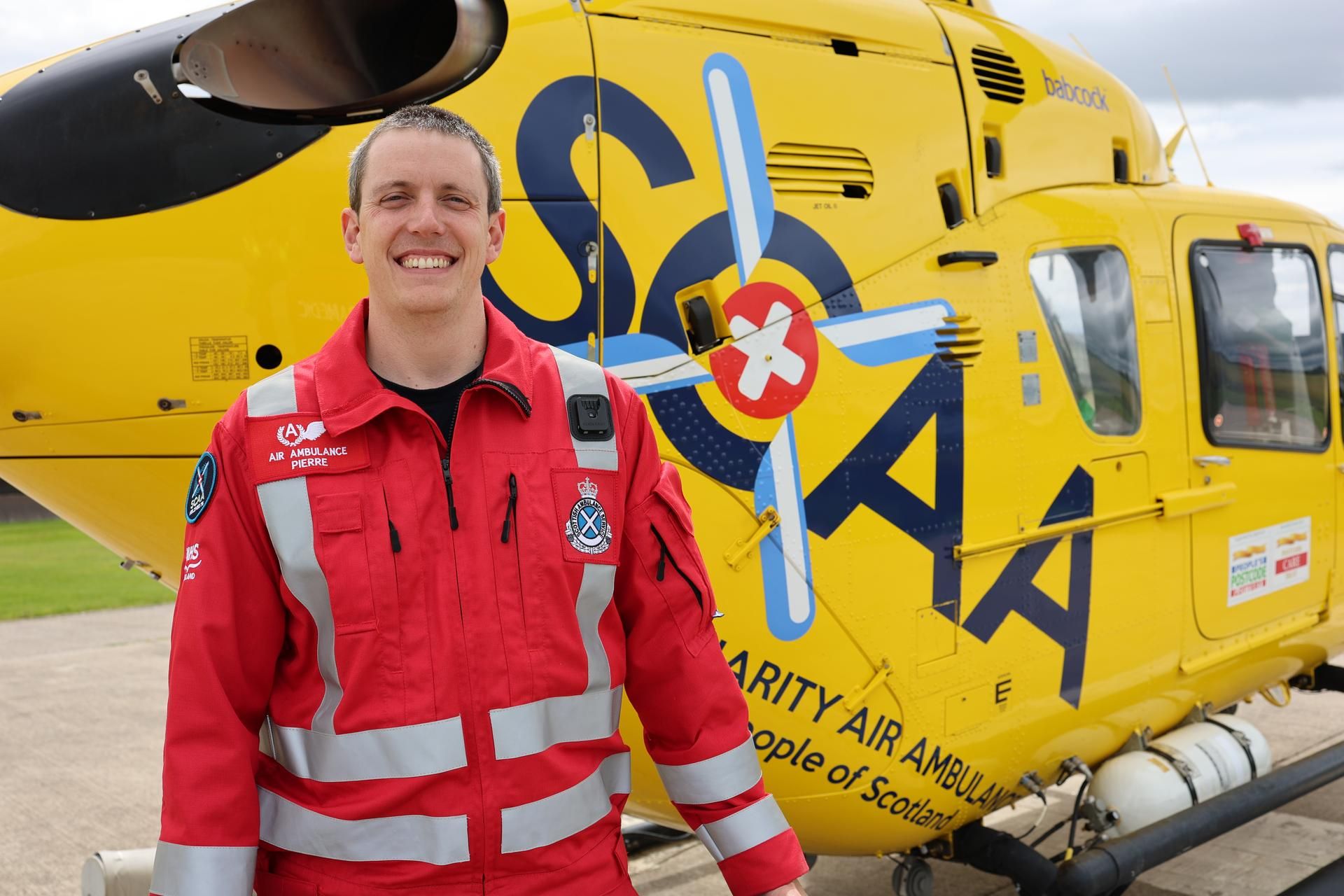
WHAT MADE YOU WANT TO BECOME A PARAMEDIC?
When I was thinking of a change in career (from design and photography), my partner was working in the children's emergency department as a nurse. I thought 'what would I do if I worked in the NHS'. Once I had researched the role of a paramedic, where your helping people, contributing to society, exciting work, being in interesting places, there was no looking back and a long road ahead.
WHAT'S THE MOST REWARDING ASPECTS OF BEING A HEMS PARAMEDIC?
Being part of a team that can make a real difference to a patients journey especially in the remote and rural parts of Scotland.
WHAT'S ONE MISCONCEPTION PEOPLE SOMETIMES HAVE ABOUT HEMS PARAMEDICS?
As a new HEMS paramedic one misconception I had was how overwhelming the sensory overload is when starting out on a helicopter for the first time.
RICH:

WHAT MADE YOU WANT TO BECOME A PARAMEDIC?
I used to be in a mountain rescue team in the north of Scotland and enjoyed being part of a team that was there to help people enjoy the hills. So when I moved south and needed to grow up and consider a career, paramedic seemed an obvious choice. The diverse nature of the job, never quite knowing where or what you are going to next appeals to me.
WHAT'S THE MOST REWARDING ASPECTS OF BEING A HEMS PARAMEDIC?
Being part of the team that allows people to live their best lives in rural Scotland, be it hill walking, cycling or horse riding. Knowing help is available if things go wrong allows people to enjoy the outdoors and appreciate the wilder areas of this country. For me, being a small part of that safety net is hugely rewarding.
WHAT'S ONE MISCONCEPTION PEOPLE SOMETIMES HAVE ABOUT HEMS PARAMEDICS?
That it's all glamour and excitement. Flying in a small, cramped helicopter in winter, with the heating on full blast, when you are wearing too many layers and the pilot is flying in circles trying to find the patient is...🤢 Not all the jobs we go to are the high acuity trauma ones you see on the TV. We also go to less serious calls for people in remote and rural areas and help with the transfer from the islands.
GILLIAN:

WHAT MADE YOU WANT TO BECOME A PARAMEDIC?
It sounds cheesy to say that it was to help people, but that is the truth and I think a lot of paramedics would say the same. I grew up knowing that my mum was a police officer and I was very influenced by her and everything that she’d achieved and I wanted to do something similar. And the paramedic role enabled me to be outside, have variety every single day, and work with lots of different people to hopefully help an individual and their family on their worst day. Being a paramedic answered all the things I was looking for in a job.
WHAT'S THE MOST REWARDING ASPECTS OF BEING A HEMS PARAMEDIC?
When I think about some of the feedback that we’ve had back from patients and their families, it’s been around the emotional support that we’ve offered to people. So not necessarily sometimes the clinical skills that we bring to a situation but sometimes it’s just looking after people emotionally, having a bit of well timed humour when it’s appropriate, and trying to ease the nerves and the fear that someone’s feeling. One of the best pieces of advice I received from a university tutor was that people won’t remember what you looked like or what you said, but they’ll remember how you made them feel. And so for me, the most rewarding thing is when people come back and say they felt as though they were reassured and they felt well looked after.
WHAT'S ONE MISCONCEPTION PEOPLE SOMETIMES HAVE ABOUT HEMS PARAMEDICS?
I think the question I’m asked most frequently is if paramedics fly the aircraft, and we absolutely do not fly the aircraft. We have phenomenal pilots who are amazing at what they do. And although we go through training courses and we learn some of the basic operations of the aircraft and assist the pilot, I absolutely do not fly the aircraft!
KEIR:
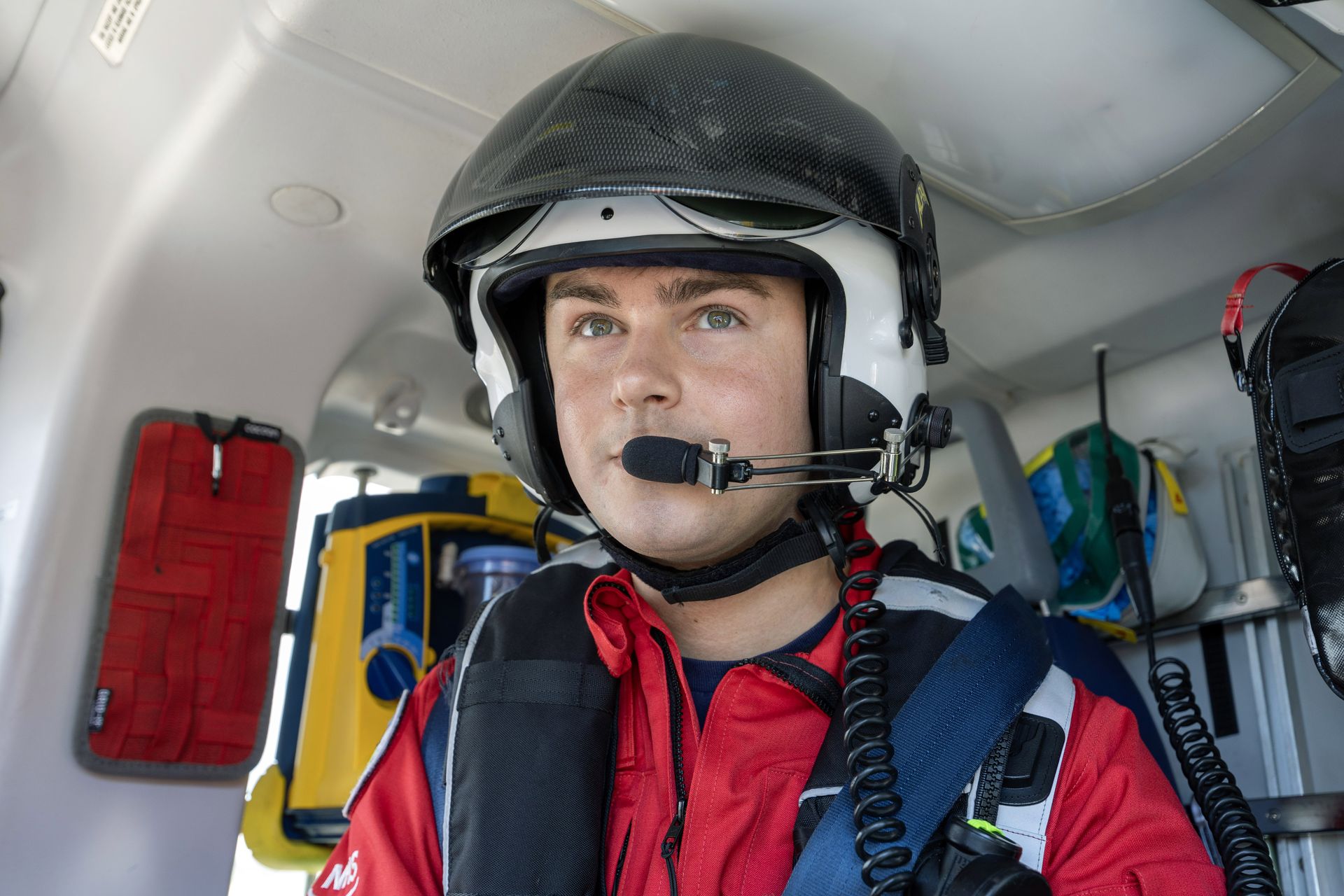
WHAT MADE YOU WANT TO BECOME A PARAMEDIC?
I wanted to become a paramedic because every day is different and we get to make a real difference to people on what could be the worst day of their lives.
WHAT'S THE MOST REWARDING ASPECTS OF BEING A HEMS PARAMEDIC?
I think one of the most rewarding aspects is working as part of an amazing team and as part of that team we can make a real difference to the patients that we fly out to.
WHAT'S ONE MISCONCEPTION PEOPLE SOMETIMES HAVE ABOUT HEMS PARAMEDICS?
One misconception is that it’s all about the helicopter. The helicopter is a really good tool to get us to the scene very quickly and to also save time in getting to hospital but really one of the biggest things for us is providing expert care and treatment to patients at scene.
MATTHEW:

WHAT MADE YOU WANT TO BECOME A PARAMEDIC?
My dad’s a paramedic so one shift I went out observing with him and I seen that they were driving around the countryside helping people and every day was different. And it just seemed very rewarding and a very positive thing to do. So from then on I really took to it and then decided that’s what I’d like to do.
WHAT'S THE MOST REWARDING ASPECTS OF BEING A HEMS PARAMEDIC?
I’d say the most rewarding aspect of this job is that we’re very lucky in that as paramedics you don’t often get a lot of follow up about the whole patient journey. Once we’ve handed them to hospital, we might not hear what’s happened to them from there. But working here at SCAA, we have base visits and they come in and we can see that they’ve made a good recovery and they tell us about their journey, we get some feedback, and that’s always really rewarding and something I really enjoy in this job.
WHAT'S ONE MISCONCEPTION PEOPLE SOMETIMES HAVE ABOUT HEMS PARAMEDICS?
I’d say a common misconception or maybe something that people don’t realise is that we aren’t just medical passengers. As well as the patient facing aspect, one of the paramedics every shift also sits in the front left seat and goes through additional training to help the pilot with things like checklist, landing site selection, communication, and some of the navigation as well. So, we go under additional training to do that and it’s also another rewarding part of the job as well.